1. تطور ترميزات الفيديو
يمتد تاريخ ترميز الفيديو إلى أواخر ثمانينيات القرن الماضي. من H.261 المصمم لعقد المؤتمرات عبر خطوط ISDN، إلى AV1 المصمم للبث فائق الدقة، تطورت معايير الترميز على مدى ما يقارب ثلاثة عقود. يسعى كل جيل إلى تحقيق الهدف الأساسي نفسه: إعادة إنتاج الصورة باستخدام بتات أقل مع الحفاظ على الجودة البصرية.
ضغط الفيديو ضروري لأن الفيديو الخام غير المضغوط ضخم. يمكن لمقطع 1080p مدته عشر ثوانٍ في صورته الخام أن يستهلك عدة غيغابايت — وهو أمر غير قابل للاستمرار للتخزين أو النقل. تستغل الترميزات التكرار المكاني والزمني بين الإطارات لتقليص هذه البيانات إلى حجم يمكن إدارته. يشير التكرار المكاني إلى الارتباط بين البكسلات المجاورة ضمن إطار واحد؛ ويشير التكرار الزمني إلى التشابه بين الإطارات المتتالية. تدور تقريبًا كل معايير الترميز الحديثة حول هذين النوعين من التكرار.
تحديدًا، يصنف المشفر الصور إلى ثلاثة أنواع من الإطارات: إطارات I (الإطارات المشفرة داخليًا) تسجل صورة كاملة ويمكن فك ترميزها بشكل مستقل، فتقدم أقل ضغط ولكن أقوى مقاومة للأخطاء؛ إطارات P (الإطارات التنبؤية) تخزن الفروقات عن إطار سابق فقط؛ إطارات B (الإطارات ثنائية الاتجاه) تشير إلى الإطارات السابقة واللاحقة معًا، محققة أعلى ضغط. تشكل مجموعة الإطارات بين إطاري I مجموعة GOP (Group of Pictures) — فكلما طالت مجموعة GOP تحسن الضغط لكن ضعف الوصول العشوائي والتعافي من الأخطاء. كان إطار العمل هذا للتنبؤ بين الإطارات قائمًا منذ H.261؛ وتعيد المعايير اللاحقة بشكل أساسي صياغة تقسيم الكتل ودقة التنبؤ وترميز الإنتروبيا.
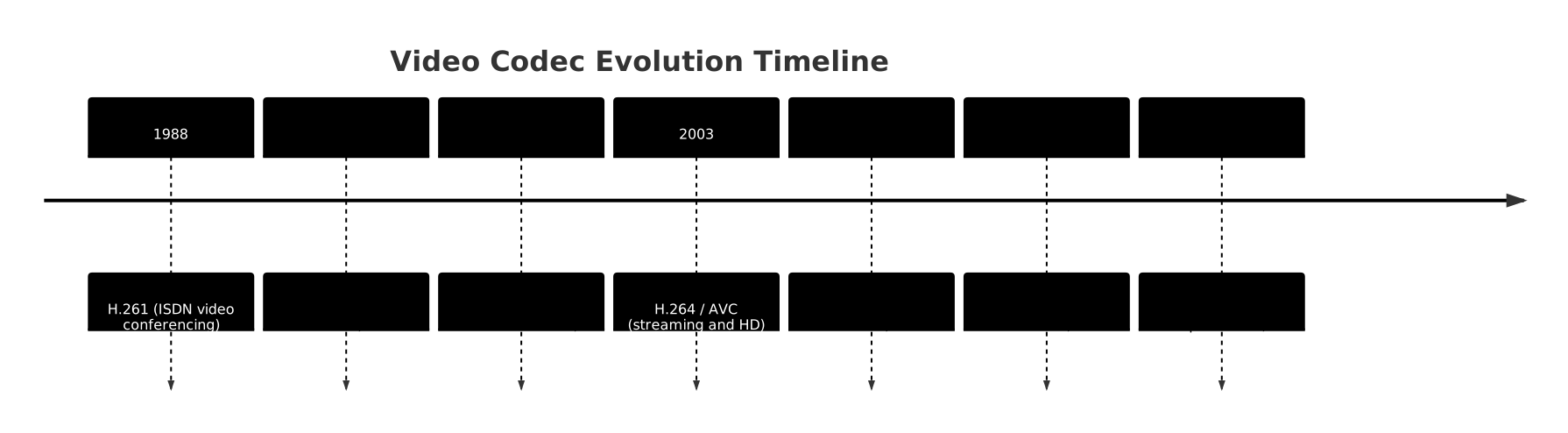
أسس H.261 إطار الترميز القائم على الكتل؛ ووسّعه MPEG-1 إلى التخزين على الأقراص الضوئية بسرعة تقارب 1.5 ميجابت/ثانية، وهو ما يكفي لفيديو بجودة VCD؛ وحُسّن H.263 للاتصال بمعدل بتات منخفض، محافظًا على صور يمكن تمييزها تحت 64 كيلوبت/ثانية؛ وفتح H.264 عصر البث عالي الدقة؛ واستهدف H.265 دقة 4K فائقة الوضوح؛ ويمثل AV1 اتجاه الجيل القادم الخالي من الإتاوات. يحاول كل جيل تحسين كفاءة الضغط مقارنة بسلفه مع إبقاء تعقيد التشفير في متناول الأجهزة الواقعية.
2. تحليل تقني للترميزات السائدة
H.264 (AVC)
صدر عام 2003، ويستخدم H.264 (Advanced Video Coding) تقسيم الكتل الكبرى (macroblock) بكتلة أساسية 16×16، ويدعم كتلًا فرعية من 4×4 إلى 16×16. يصل تقدير الحركة إلى دقة ربع بكسل، ويقدم المعيار إطارات مرجعية متعددة، وإزالة الكتل الحلقية (deblocking) داخل الحلقة، والترميز بطول متغير متكيف مع السياق (CAVLC)، والترميز الحسابي الثنائي المتكيف مع السياق (CABAC).
مقارنة بسلفه H.263، يضاعف H.264 كفاءة الضغط تقريبًا — أي يخفض معدل البتات إلى النصف عند الجودة المكافئة. يوفر CABAC ما بين 5 إلى 15% من معدل البتات أكثر من CAVLC لكنه يتطلب حسابًا أكبر، لذلك تختار الأجهزة منخفضة الفئة غالبًا CAVLC. كما يدعم H.264 شرائح (slices) متعددة وترتيب الكتل الكبرى المرن (FMO)، مما يسهّل المعالجة المتوازية ومقاومة الأخطاء.
قوة H.264 تكمن في منظومته الناضجة: فكل جهاز ومتصفح ومشغل حديث تقريبًا يدعمه أصليًا. نقطة ضعفه هي عدم كفاية كفاءة الضغط لـ 4K فأكثر، مما يؤدي إلى معدلات بتات أعلى. وبفضل فك الترميز العتادي المنتشر، يتفوق H.264 أيضًا في كفاءة الطاقة على الأجهزة المحمولة، مما يجعله الترميز الأكثر توافقًا المتاح اليوم.
H.265 (HEVC)
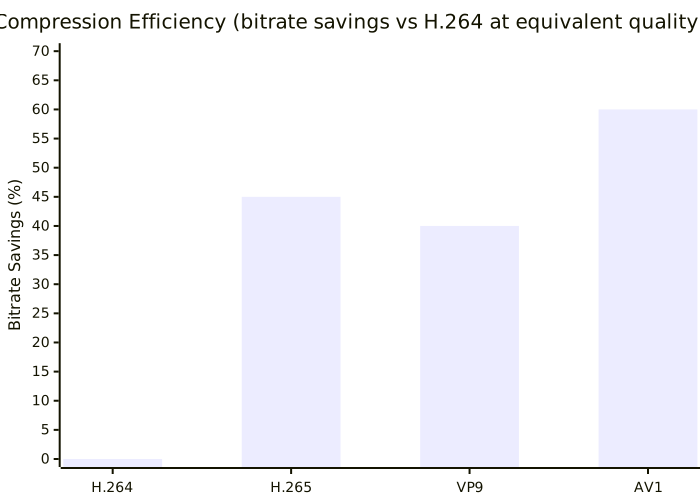
صدر عام 2013، ويقدم H.265 (High Efficiency Video Coding) وحدة شجرة الترميز (CTU)، التي تدعم كتلًا تصل إلى 64×64 مع تقسيم متكيف حتى 8×8 بناءً على تعقيد الصورة. عند جودة ذاتية مكافئة، يخفض H.265 عرض النطاق بنحو 40–50% مقارنة بـ H.264.
تشمل التحسينات الرئيسية أحجام CTU أكبر ترفع كفاءة الترميز، خاصة للمناطق المسطحة الكبيرة؛ 35 اتجاهًا للتنبؤ الداخلي (مقابل 9 في H.264) لتمثيل أدق للملمس؛ دمج متقدم لمتجهات الحركة (Merge) والتنبؤ المتقدم لمتجه الحركة (AMVP) اللذان يقللان العبء الزائد لتشفير معلومات الحركة؛ إزاحة عينية متكيفة للعينة (SAO) التي تكبح أعراف الرنين بعد الترشيح داخل الحلقة؛ وأدوات المعالجة المتوازية مثل Tiles وWPP التي تسهل التشفير متعدد النواة.
تجعل هذه الميزات H.265 مناسبًا تمامًا لتوزيع محتوى 4K و8K، لكنها تضيف أيضًا تعقيدًا حسابيًا أعلى بكثير — فقد يستغرق تشفير H.265 أوقاتًا أطول عدة مرات من H.264. يمكن للأحجام الأكبر للكتل أن تزيد العبء الزائد فعليًا عند الدقة المنخفضة، لذا لا تظهر مزايا H.265 بالكامل إلا عند الدقات الأعلى.
VP9
طوّرته Google وصدر عام 2013 كجزء من مشروع WebM، ويستخدم VP9 كتلًا فائقة (superblocks) بحجم 64×64 ويدعم 32 نمطًا للتنبؤ الداخلي، إضافة إلى التنبؤ البيني المتقدم والكمّ المتكيف. كفاءة ضغطه مماثلة لـ H.265، وهو خالٍ تمامًا من الإتاوات.
يستعير VP9 أفكارًا من H.265 لكنه يبسّط القواعد النحوية ومجموعة الأدوات لتقليل صعوبة التنفيذ. يدعم حتى ثلاثة إطارات مرجعية ويسمح بخلط مراجع بدقات مختلفة للتعامل مع سيناريوهات الدقة المتغيرة. الميزة الرئيسية لـ VP9 هي انفتاحه: يمكن لأي مزود تنفيذه دون قلق براءات الاختراع. غير أن منظومة فك الترميز العتادي له محدودة نسبيًا، لذا فهو نشط بشكل أساسي على الويب، خاصة في متصفحات Chromium. اعتُمد VP9 على نطاق واسع من قبل منصات الفيديو الكبرى كبديل فعال لـ H.264، وأداؤه موثوق في توزيع الفيديو على الويب.
AV1
صدر عام 2018 من تحالف الإعلام المفتوح (AOMedia)، ويمدد AV1 تقنيات الجيل السابق بكتل فائقة 128×128 وأدوات تنبؤ وتحويل أكثر تطورًا، تشمل النسخ الداخلي للكتل، وتعويض الحركة التآلفية، ووضع اللوحة (palette)، ودقة حركة 1/8 بكسل. مقارنة بـ H.265، يوفر AV1 20–30% إضافية من معدل البتات عند الجودة المكافئة — أي نحو 60% توفير مقابل H.264.
تأسس AOMedia بشكل مشترك من عدة جهات في الصناعة تحديدًا للتحايل على ترخيص براءات الاختراع المجزأ لـ H.265. يبني AV1 على VP9، ويدمج أدوات متقدمة مختارة من H.265، ويضيف تقنيات تجريبية عديدة، مما يمنحه مجموعة أدوات أكبر بكثير من H.265. صُمم ليكون خاليًا تمامًا من الإتاوات واعتُمد تدريجيًا من قبل منصات البث الكبرى. تعقيد التشفير مرتفع للغاية، ويعتمد التشفير في الوقت الفعلي على تسريع العتاد. بدأت أحدث وحدات معالجة الرسوميات والشرائح المحمولة في دمج فك ترميز AV1 عتاديًا، ويتقدم التشفير بمساعدة العتاد. من المتوقع نشره على نطاق واسع في البث عند الطلب والمباشر خلال السنوات القادمة.
3. مقارنة ترخيص براءات الاختراع
الترخيص عامل حاسم في اعتماد الترميزات. يقارن الجدول أدناه وضع الترخيص لأربعة صيغ سائدة:
| الترميز | المرخِّص | تكلفة الإتاوات | التعقيد |
|---|---|---|---|
| H.264 | تجمّع موحّد MPEG-LA | متدرّج، بسقف سنوي | منخفض |
| H.265 | تجمّعات متعددة (MPEG-LA، HEVC Advance، إلخ) | مرتفع، بلا سقف موحّد | مرتفع جدًا |
| VP9 | مصدر مفتوح (رخصة BSD) | مجاني | لا شيء |
| AV1 | Alliance for Open Media | مجاني | لا شيء |
الترخيص هو السبب الرئيسي لتأخر اعتماد H.265. يُدار H.264 من قبل MPEG-LA بهيكل رسوم واضح وسقف، فيستطيع مزودو المحتوى نشره بتكاليف يمكن التنبؤ بها؛ أما H.265 فيشمل عدة تجمّعات براءات اختراع متنافسة مع حاملي براءات موزعين على جهات مختلفة، ورسوم غير مؤكدة، وبلا سقف موحّد. وفقًا لتقارير علنية، أجّل بعض مزودي المحتوى نشر H.265 لأنهم لم يتمكنوا من تقدير تكاليف الترخيص. دفعت هذه الحالة عدم اليقين بعض مصنعي المتصفحات ومجتمعات المصدر المفتوح نحو VP9 وAV1، وحفّزت مباشرة تأسيس AOMedia، مما أنتج منظومة ترميزات مصدر مفتوح خالية من الإتاوات.
4. توصيات حسب السيناريو
تختلف متطلبات الترميز اختلافًا كبيرًا بين حالات الاستخدام. يلخص الجدول أدناه التوصيات للسيناريوهات الشائعة:
| حالة الاستخدام | الترميز الموصى به | السبب |
|---|---|---|
| مرفق بريد إلكتروني | H.264 | أفضل توافق، لا حاجة لفاك ترميز إضافي |
| تضمين ويب | VP9 / H.264 | دعم أصلي من المتصفح؛ VP9 يوفر عرض النطاق |
| تشغيل محمول | H.264 / H.265 | فك ترميز عتادي منتشر، موفّر للبطارية |
| توصيل البث | AV1 / H.265 | الضغط العالي يخفض تكلفة عرض النطاق |
| أرشفة طويلة المدى | H.265 / AV1 | يوفر التخزين مع الحفاظ على الجودة |
| البث المباشر | H.264 | أسرع تشفير، زمن وصول قابل للتحكم |
تحقق دائمًا أولًا من قدرات فك الترميز لبيئة التشغيل المستهدفة، ثم وازن بين كفاءة الضغط وتكلفة التشفير. للمحتوى الذي يجب أن يصل لأوسع جمهور ممكن، يبقى H.264 الخيار الاحتياطي؛ وللتوزيع الحساس لعرض النطاق، يجب إعطاء الأولوية للترميزات الأحدث. في الممارسة العملية، تعتمد الكثير من المنصات استراتيجية معدلات بتات وترميزات متعددة: توفير H.264 لتغطية كل العملاء مع تقديم نسخ AV1 أو H.265 للأجهزة التي تدعم الترميزات الأحدث، موازنةً بين التوافق والكفاءة.
5. مقارنة الضغط باستخدام FFmpeg
باستخدام نفس الفيديو المصدر بدقة 1080p، اضغط بكل ترميز. القيم الأدنى لـ CRF (Constant Rate Factor) تعطي جودة أعلى؛ والقيم المتقاربة تشير عمومًا إلى جودة مماثلة.
# H.264 (CRF 23، preset medium)
ffmpeg -i input.mp4 -c:v libx264 -crf 23 -preset medium -an output_h264.mp4

# H.265 (CRF 28، preset medium)
ffmpeg -i input.mp4 -c:v libx265 -crf 28 -preset medium -x265-params log-level=error -an output_h265.mp4

# VP9 (CRF 32، معدل بتات غير مقيد)
ffmpeg -i input.mp4 -c:v libvpx-vp9 -crf 32 -b:v 0 -an output_vp9.webm

# AV1 (CRF 30، معدل بتات غير مقيد)
ffmpeg -i input.mp4 -c:v libaom-av1 -crf 30 -b:v 0 -cpu-used 4 -an output_av1.mkv
ملاحظات على المعاملات: يتحكم -crf في الجودة، ويتوازن -preset/-cpu-used بين السرعة ونسبة الضغط، ويتيح -b:v 0 للمشفر تخصيص معدل البتات بناءً على CRF، بينما يتجاهل -an الصوت للتركيز على مقارنة ضغط الفيديو. لاحظ أن مقاييس CRF غير موحّدة بين المشفرات: فـ CRF 23 لـ H.264 وCRF 28 لـ H.265 متقاربان تقريبًا في الجودة الذاتية، لكنهما ليسا متطابقين تمامًا — فعلى المقارنات الصارمة أن تعتمد على مقاييس موضوعية مثل VMAF أو SSIM.
في الممارسة، عند جودة ذاتية مكافئة، ينتج H.265 وVP9 وAV1 ملفات أصغر تدريجيًا — لكن وقت التشفير يزداد وفقًا لذلك. قد يستغرق تشفير AV1 عشرات المرات أطول من H.264 ويتطلب تسريعًا عتاديًا أو تحسينًا متوازيًا ليصبح عمليًا. في بيئات إنتاج الترميز المتقاطع الدفعي، غالبًا ما تكون سرعة التشفير بنفس أهمية نسبة الضغط، لذا تستخدم كثير من المنصات AV1 للترميز المتقاطع دون اتصال فقط مع إبقاء H.264 للسيناريوهات في الوقت الفعلي.
6. الأسئلة الشائعة
س1: H.265 متفوّق تقنيًا — فلماذا كان اعتماده أبطأ من H.264؟
بشكل أساسي بسبب الترخيص. يشمل H.265 عدة تجمّعات براءات اختراع بهياكل رسوم معقدة وغير محدودة بسقف، مما يثبّط مصنعي المتصفحات ومنصات المحتوى. رفض بعض مصنعي المتصفحات دعم H.265 أصليًا صراحةً بسبب مخاوف الترخيص. كذلك أدى الدعم المحدود مبكرًا لفك الترميز العتادي إلى إبطاء الاعتماد المحمول. إلا في السنوات الأخيرة بدأت الشرائح السائدة عمومًا في دمج فك ترميز H.265 عتاديًا، لكن دعم الويب لا يزال غير متسق. في المقابل، تُدار تراخيص H.264 مركزيًا من MPEG-LA برسوم يمكن التنبؤ بها، مما يجعله أكثر معايير الترميز انتشارًا حتى الآن.
س2: متى سيحل AV1 محل H.265 بالكامل؟
فك ترميز AV1 مدعوم في عتاد الجيل القادم والمتصفحات الرئيسية، لكن التشفير في الوقت الفعلي لا يزال مكلفًا حسابيًا. بدأ التوزيع عند الطلب بالتوسع، لكن البث المباشر يتطلب زمن تشفير منخفضًا ويعتمد أساسًا على H.264. من المتوقع استخدام واسع في البث المباشر فقط بعد نضج مشفرات العتاد وتحسين سرعة التشفير. على المدى القصير، السيناريو الأرجح هو تعايش AV1 وH.265 مع تبديل متكيف بناءً على قدرة فك الترميز لدى العميل. كما تتحسن سرعة تشفير AV1 بثبات — فقد قلل المشفرات مفتوحة المصدر مثل SVT-AV1 أوقات التشفير بشكل كبير، ومن المتوقع المزيد من المكاسب.
س3: لماذا يقتصر VP9 غالبًا على الويب؟
تغطية فك الترميز العتادي لـ VP9 محدودة نسبيًا وتعتمد بشكل أساسي على فك الترميز البرمجي لمتصفحات Chromium. على مشغلات سطح المكتب والتطبيقات المحمولة الأصلية، يتمتع H.264 وH.265 بدعم عتادي أفضل واستهلاك طاقة أقل. لم يبنَ VP9 قط منظومة فك ترميز عتادي متعددة المنصات مثل H.264، لذا يبقى أساسًا صيغة فيديو ويب. ومع ذلك، مهّد VP9 الطريق لـ AV1 — فكثير من أفكاره التقنية تستمر وتُرقّى في AV1. تقدم بعض المنصات نسخ VP9 وAV1 في آنٍ معًا، وتنتقل تدريجيًا من VP9 إلى AV1.
7. الخاتمة
تطوير ترميزات الفيديو توازن مستمر بين كفاءة الضغط وتكلفة التنفيذ. يبقى H.264 بفضل توافقه الشامل الخيار الأكثر أمانًا اليوم؛ ويتفوق H.265 في سيناريوهات UHD الحساسة لعرض النطاق، رغم أن قيود الترخيص تحدّ من اعتماده؛ ويمثل VP9 وAV1 الاتجاه الخالي من الإتاوات، حيث يبرز AV1 كجوهر البث للجيل القادم.
عند اختيار ترميز، ضع في الاعتبار بيئة التشغيل المستهدفة وتكلفة عرض النطاق وسعة التخزين والعبء الحسابي بدلًا من مطاردة أحدث معيار. إيجاد التوازن الصحيح بين التوافق والكفاءة والتكلفة هو المثال الهندسي. فهم حدود تطبيق كل ترميز أثمن من تذكّر أيها الأحدث. مع نضج دعم العتاد لـ AV1 واستمرار تحسين أدوات التشفير، سيتقلص فارق التكلفة بين الأجيال — لكن الموازنات الجوهرية بين التوافق والكفاءة والترخيص ستظل قائمة. البقاء على اطلاع بهذه الديناميكيات هو أفضل سبيل لاتخاذ قرارات سليمة بشأن الترميزات مع مرور الوقت.
مقالات ذات صلة:
- دليل ضغط الفيديو: كيفية تقليل الحجم مع الحفاظ على الوضوح
- FFmpeg Video Compression: CRF vs CBR vs VBR Explained
هل تحتاج لضغط الملفات؟ جرّب SmartSlim
على أساس محرك ضغط Rust خاص، يدعم 10 فئات رئيسية و40+ صيغة بما في ذلك PDF/الصور/الفيديو/Office/OFD. معالجة محلية — البيانات لا تغادر نطاقك.